



POLE GUIDE
How to hike with poles
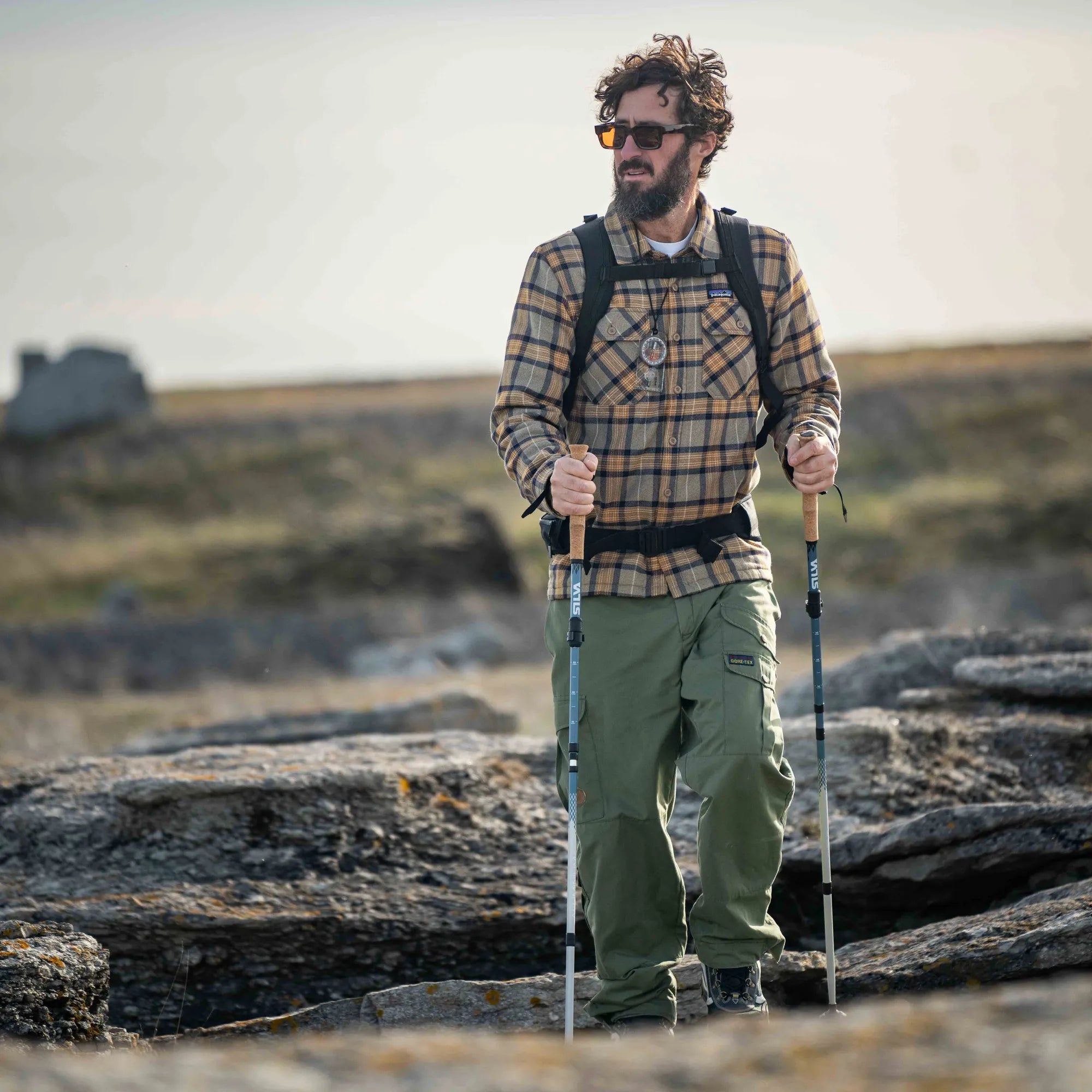
Trekking poles can take pressure off your joints, improve your posture, and help you stay in control on rough trails or long days with a heavy pack. But just like any equipment, they work best when used right. Follow these steps to master the basics.
Choose the Right Hiking Pole Length
The correct pole length makes a big difference in comfort and performance. Too long, and you’ll overreach. Too short, and you’ll lose support and power. Shorten the poles when going uphill for better power transfer, and lengthen them when going downhill to maintain balance.
These are guidelines — not strict rules.
The height formula
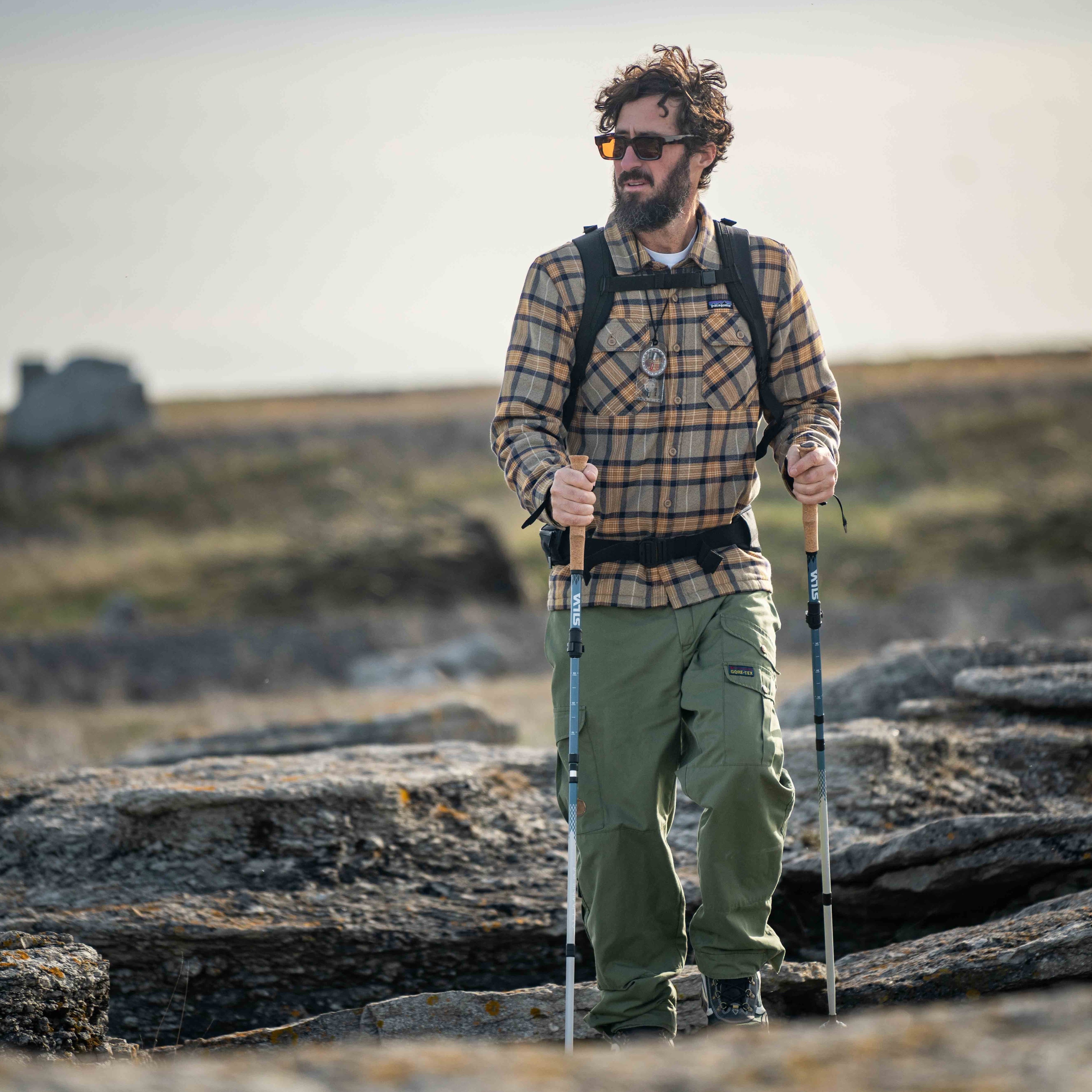
Multiply your height in centimetres by 0.68 to find your recommended pole length. If you're 180 cm tall, that means 123 cm – round up to the nearest setting.
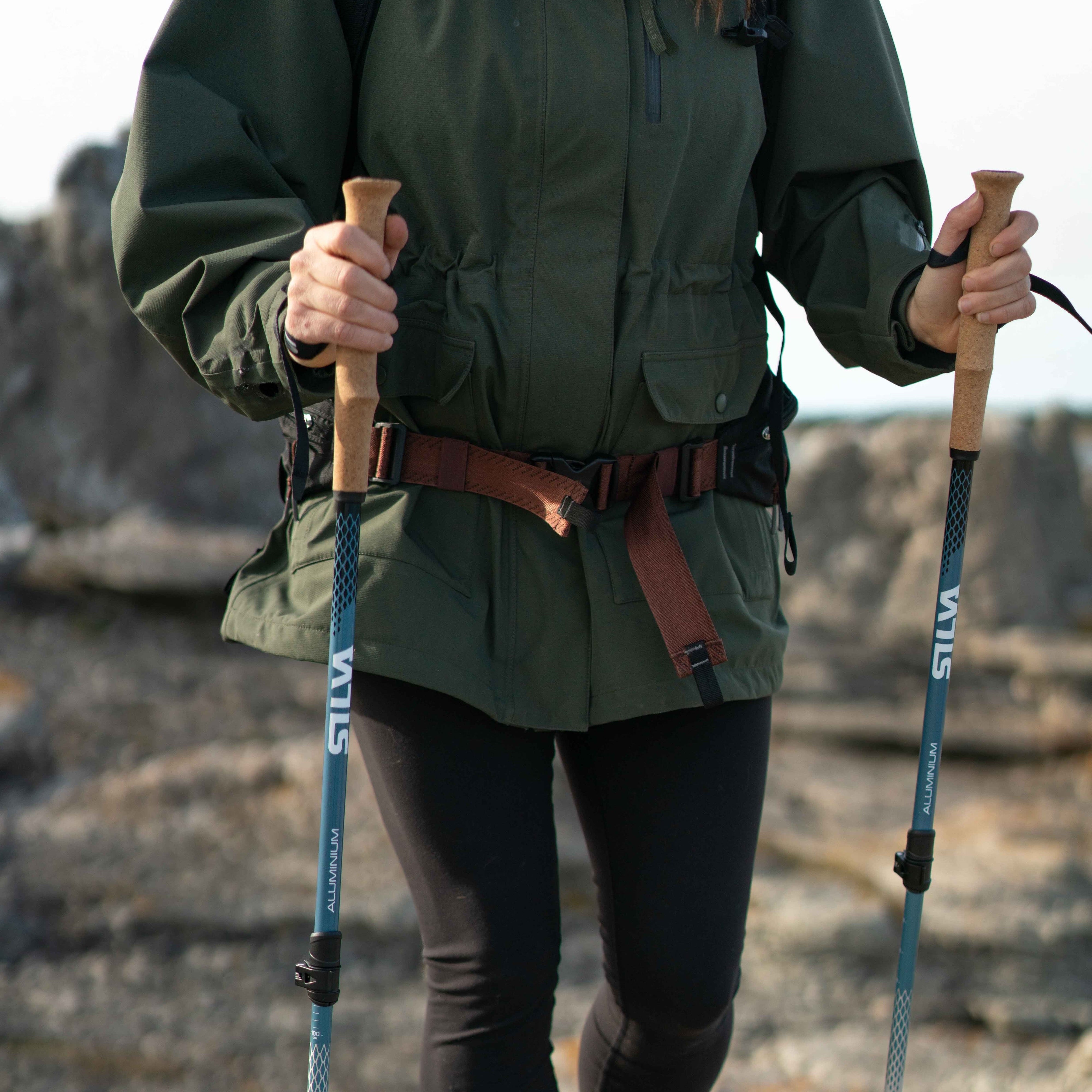
The 90° rule
On flat ground, adjust the pole so your elbow forms a 90-degree angle when holding the handle.
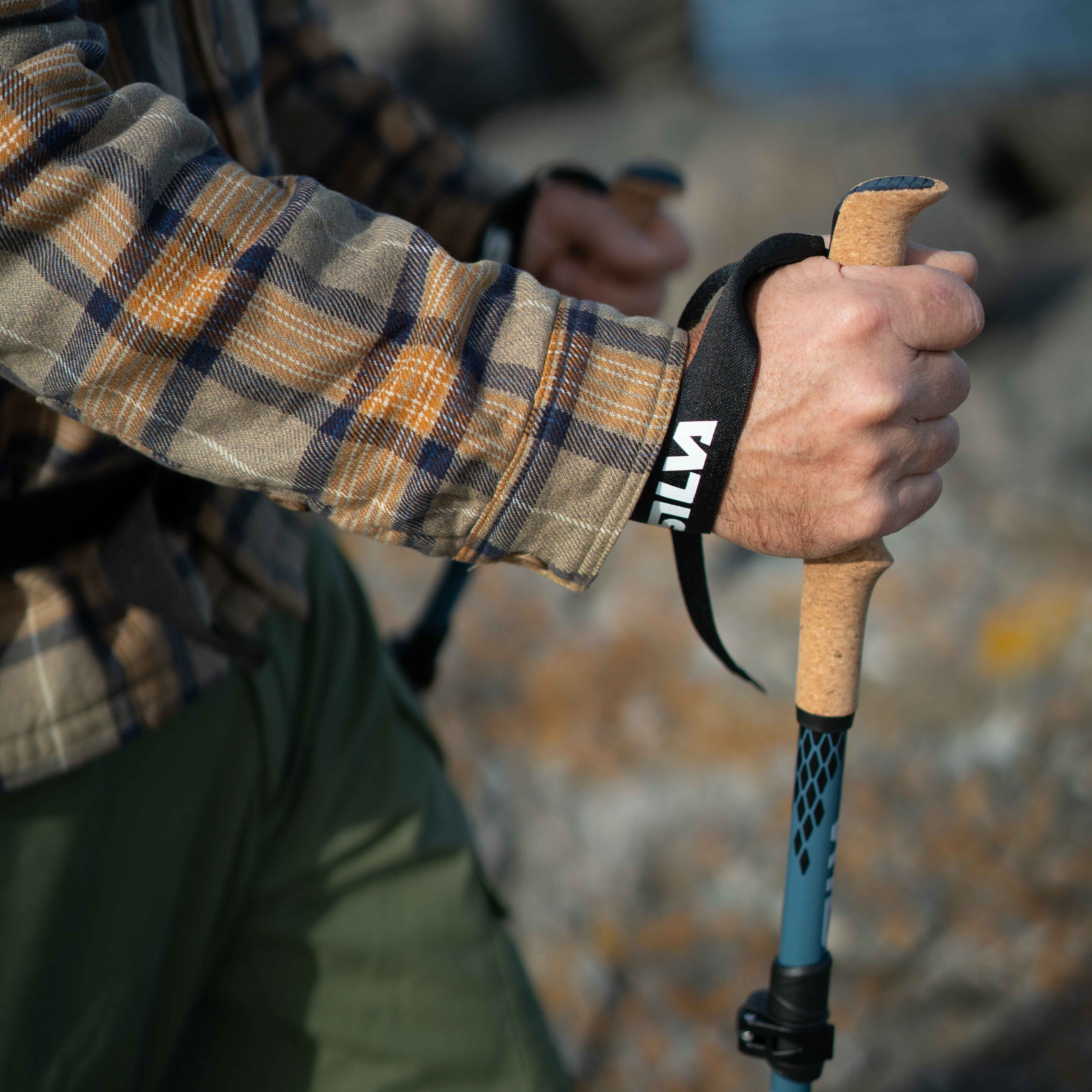
Use the Wrist Straps Correctly
The wrist straps help support your movement and take load off your hands. Use them the right way to improve comfort and technique:
1. Slide your hand up through the strap from underneath.
2. Rest your hand on the strap and hold the grip lightly.
3. Adjust the strap so it’s snug, not tight.
Let the strap do some of the work – this helps you hike longer with less fatigue.
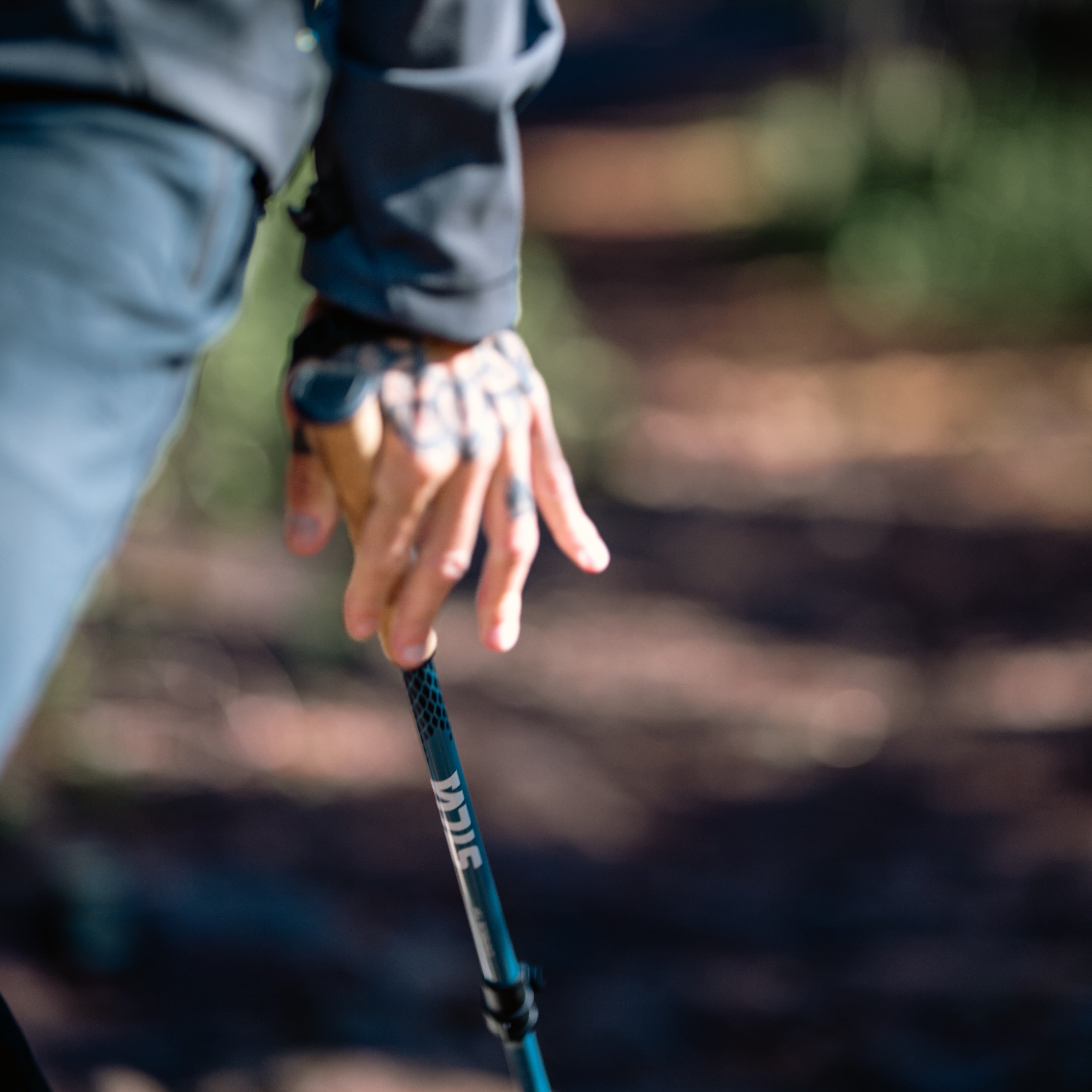
Adjust Grip with Extended Handles
Steep climbs often require a lower hand position. Instead of adjusting pole length every time, use the extended grips on your Silva poles to keep your rhythm smooth and efficient.
– Slide your hand down the grip when hiking uphill.
– Return to the top of the grip on flatter or descending terrain.
Master the Technique
Different terrain calls for different pole techniques. Here’s how to use your poles most effectively:
uphill
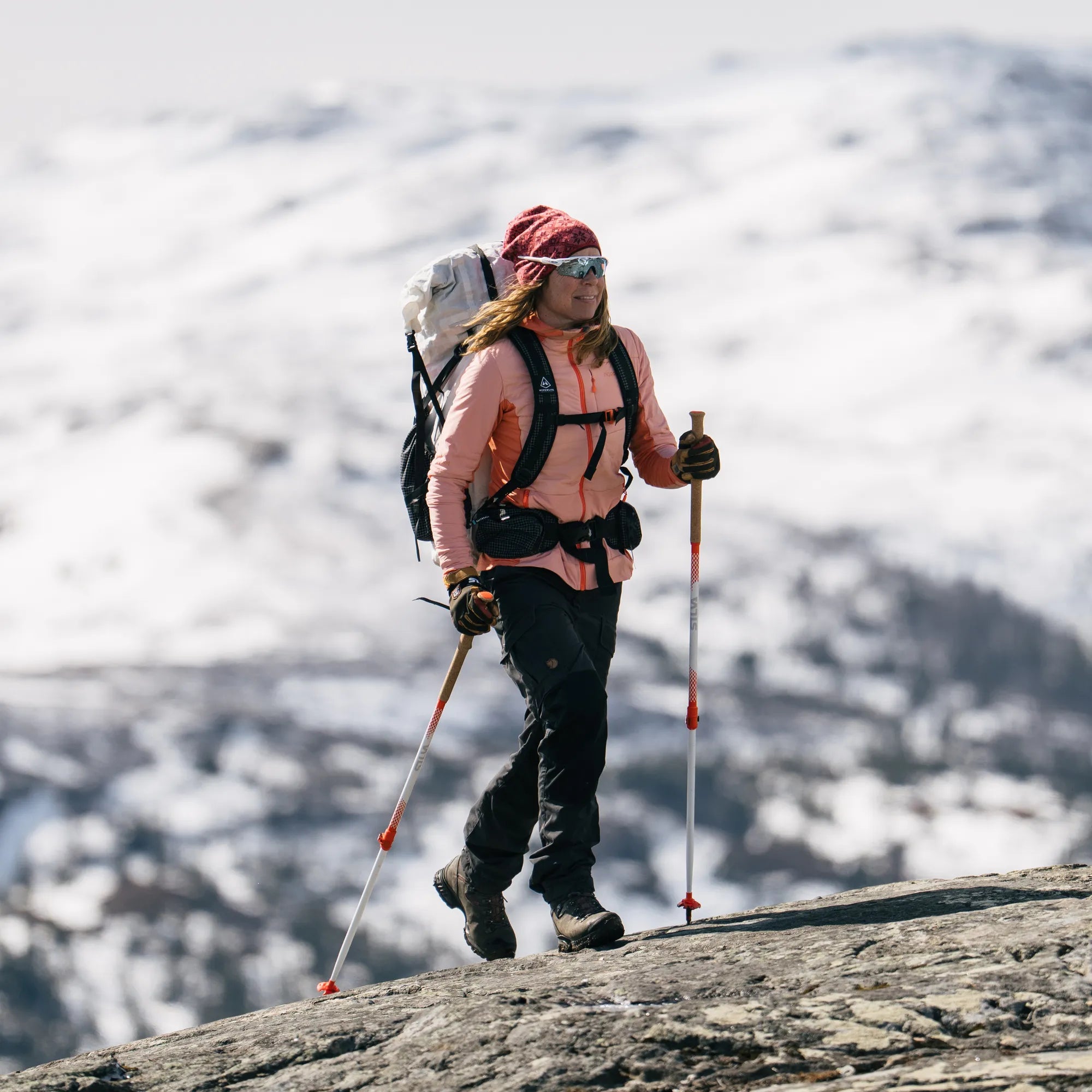
Plant the pole slightly behind you and push off with each step. Let your arms drive you forward. For better leverage, shorten the poles when going uphill.
downhill
Place the poles ahead of you to support your weight and help balance. This reduces impact on knees and hips. Lengthen the poles when going downhill to maintain balance.
flat terrain
Walk with a natural rhythm. Alternate your poles with each step to save energy and stay steady.
Use the Right Accessories
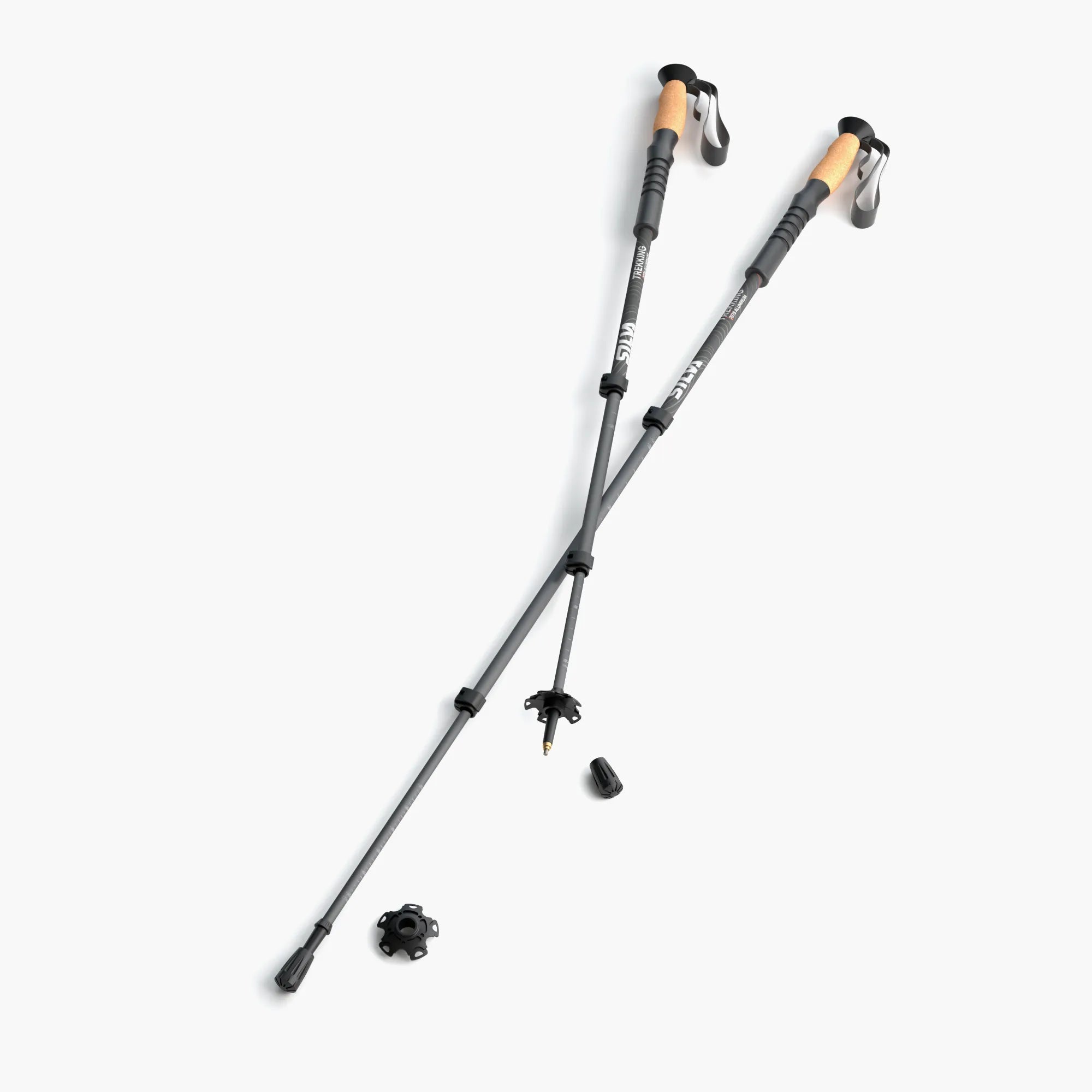
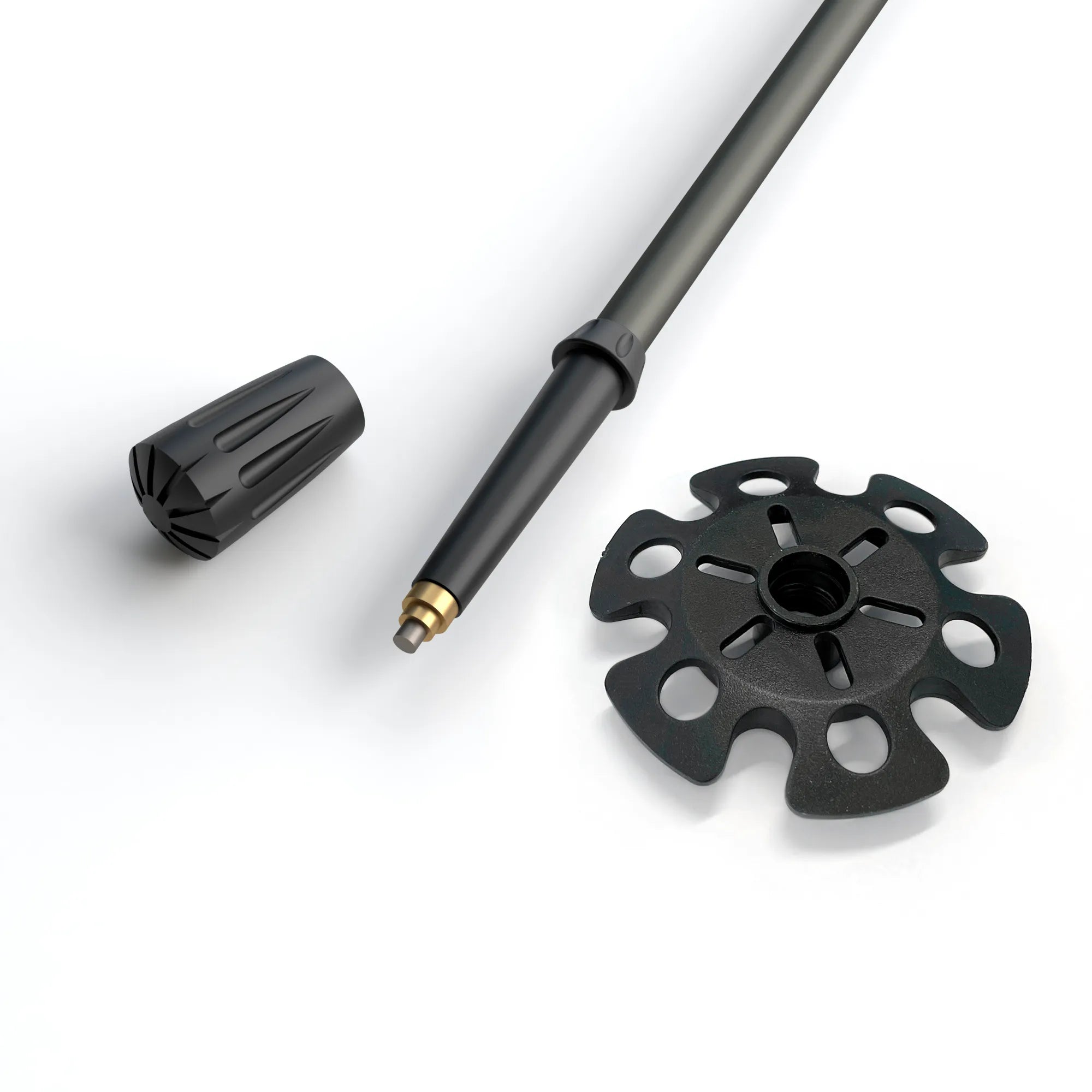
Silva trekking poles come with interchangeable tips and baskets so you can adapt to different terrain. Choose carbide tips for grip on rocky trails, rubber feet for hard surfaces like asphalt, and snow baskets on snow or soft terrain.
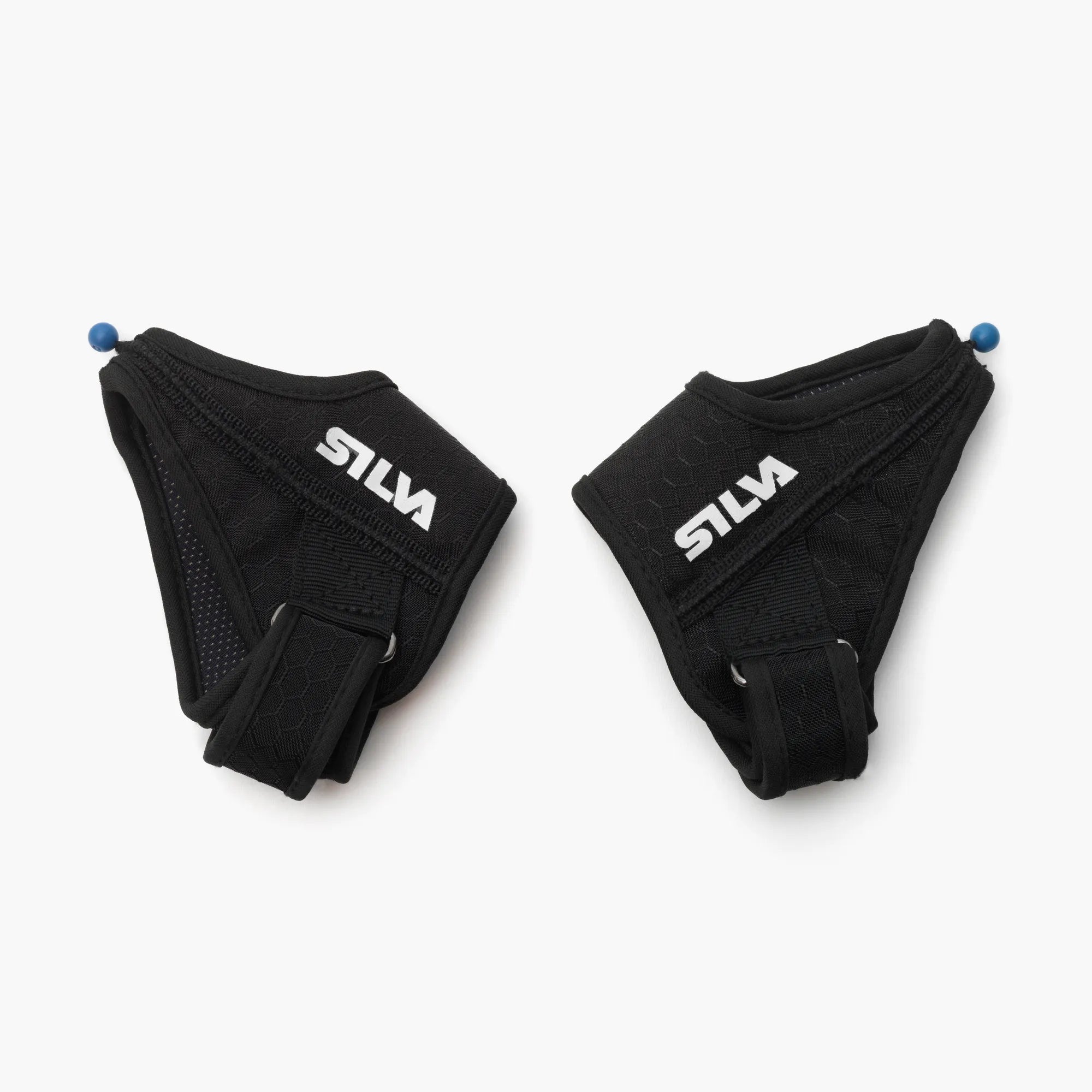
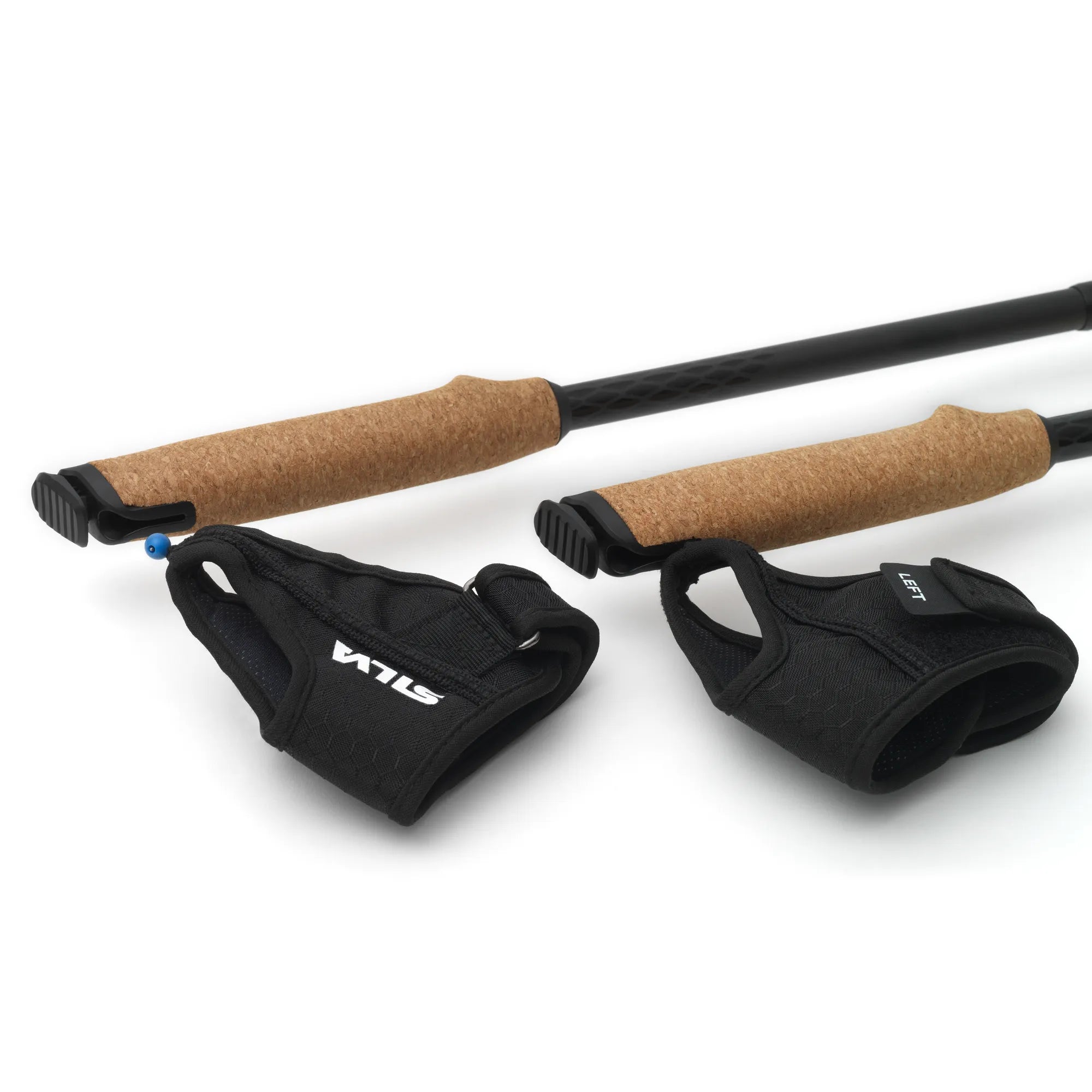
Interchangeable gloves for the Blueberry System
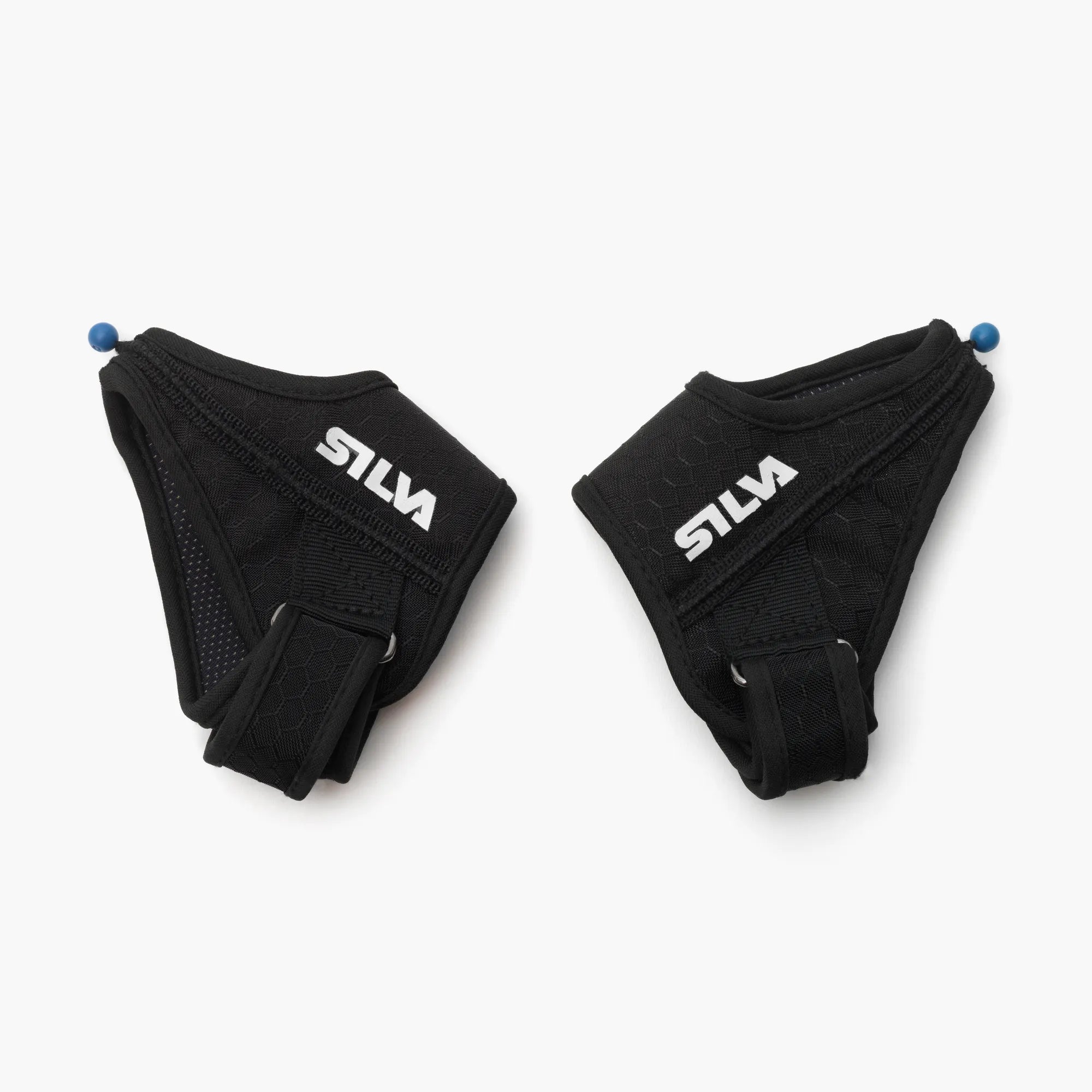
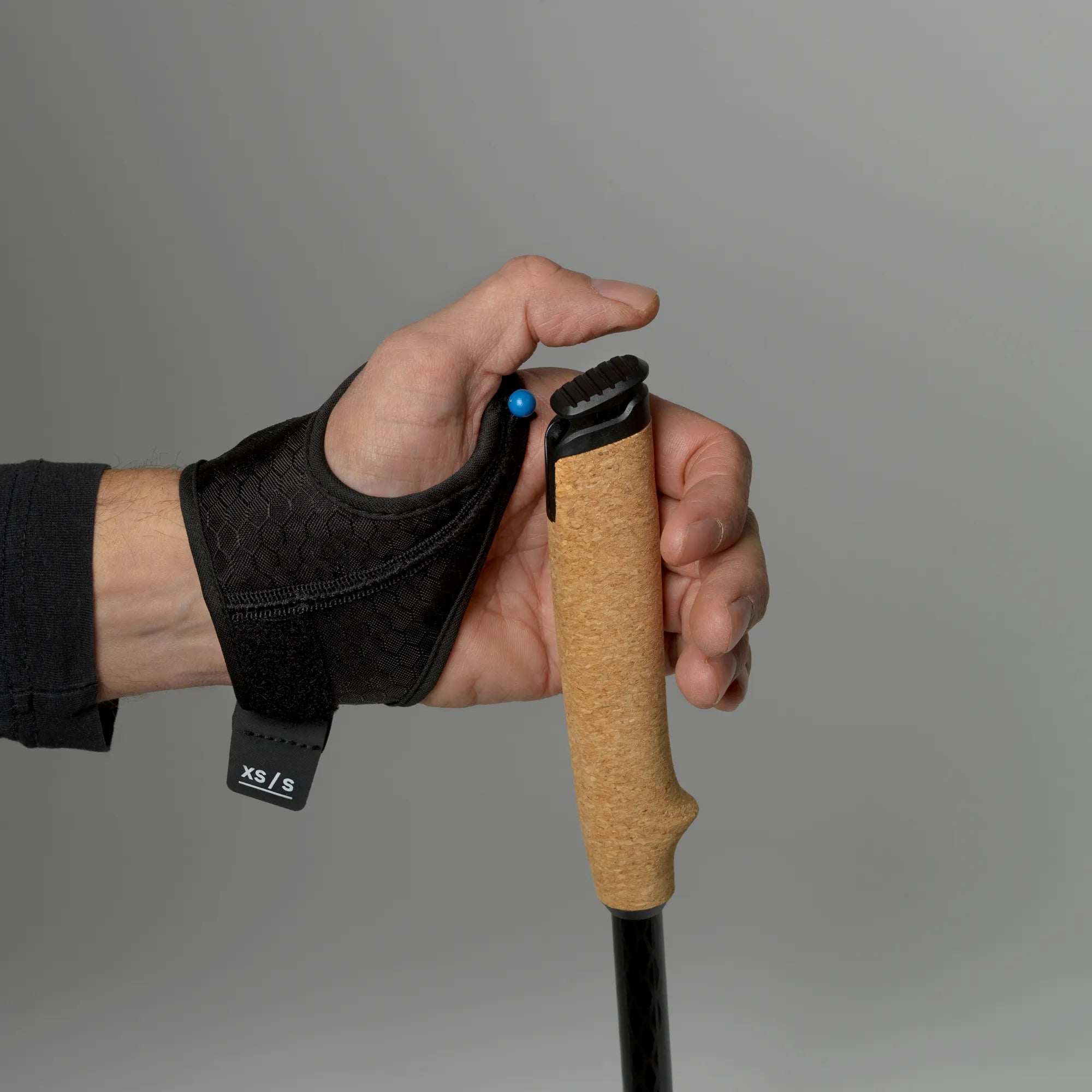
Interchangeable gloves for the Blueberry System
Fold and Store On the Go
When you don’t need your poles, pack them down and stash them fast:
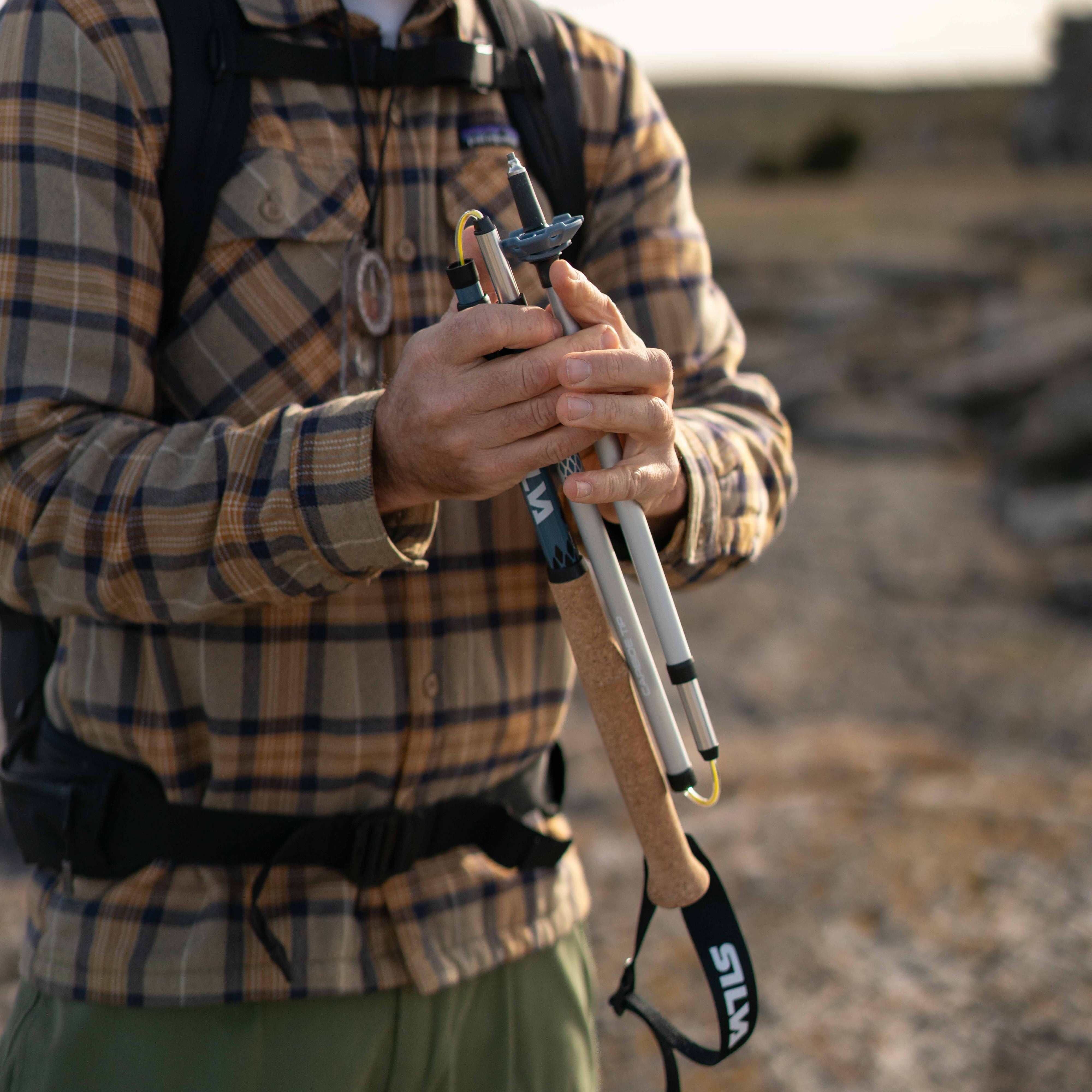
1. Fold Z-fold poles down to compact size.
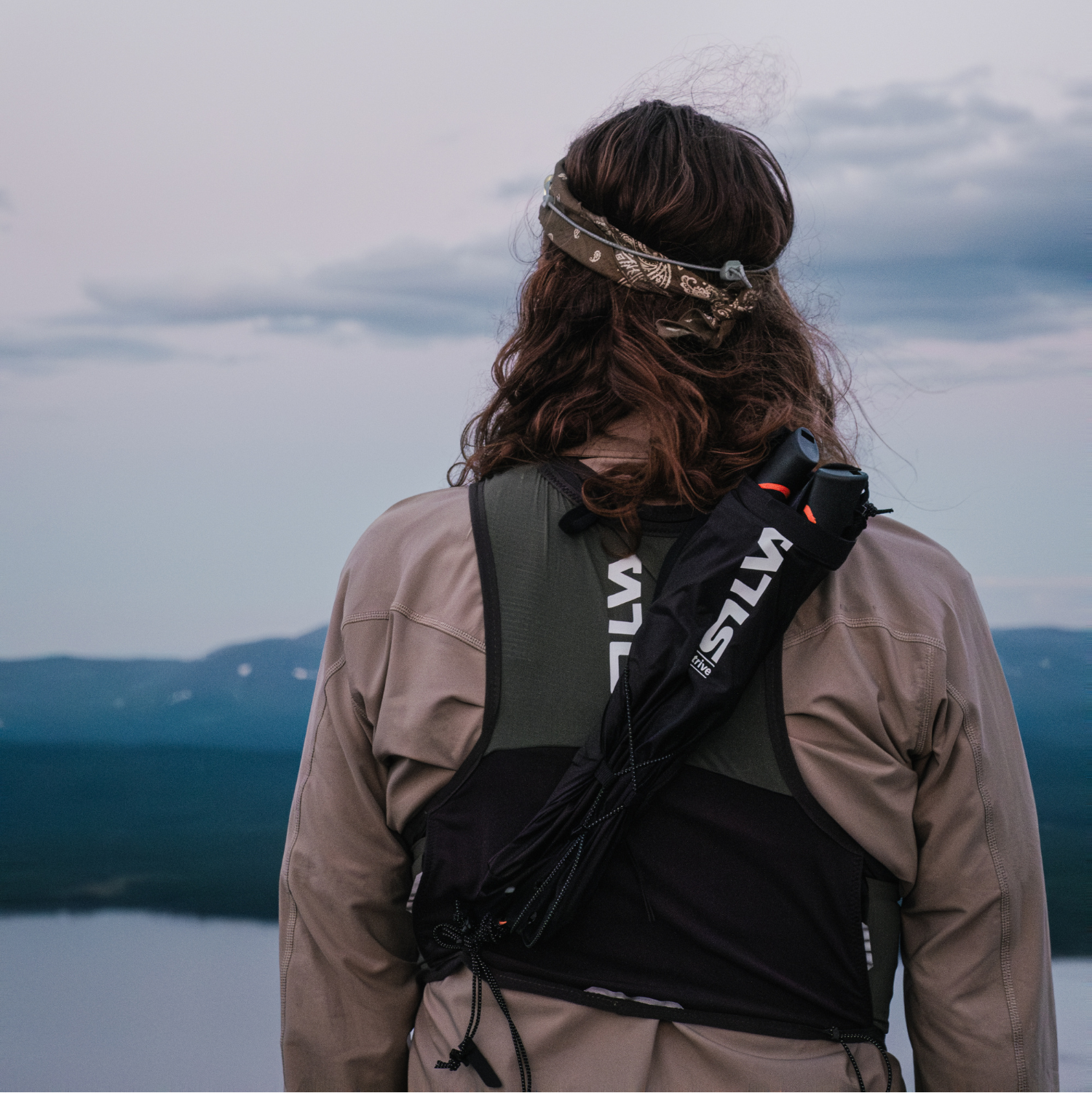
2. Use telescopic poles' locking system to collapse and strap them to your backpack.
3. All Silva trekking poles are lightweight and easy to carry when not in use.
Tip: Practice folding and attaching them at home so it’s smooth on the trail.
Silva Poles – made for hikers
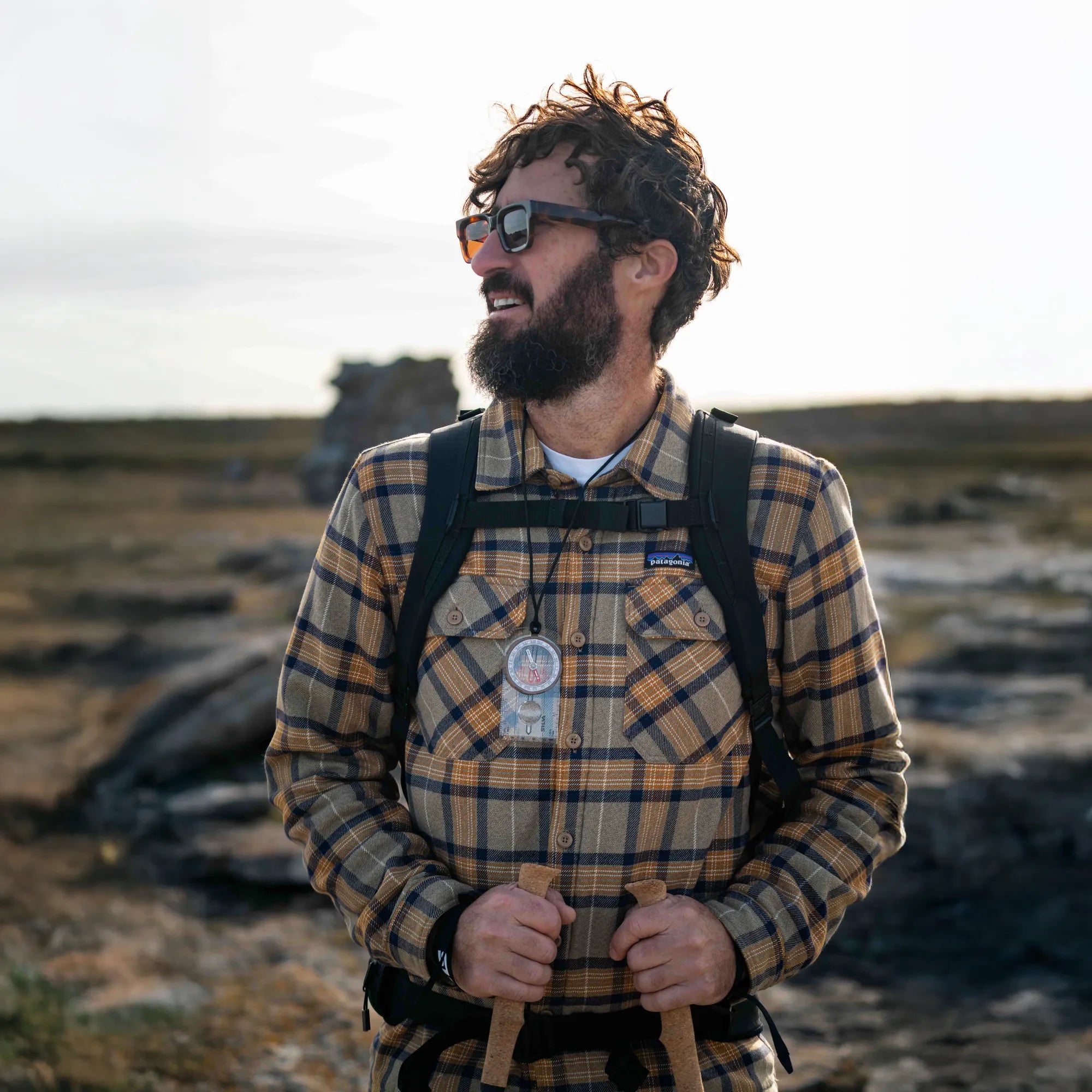
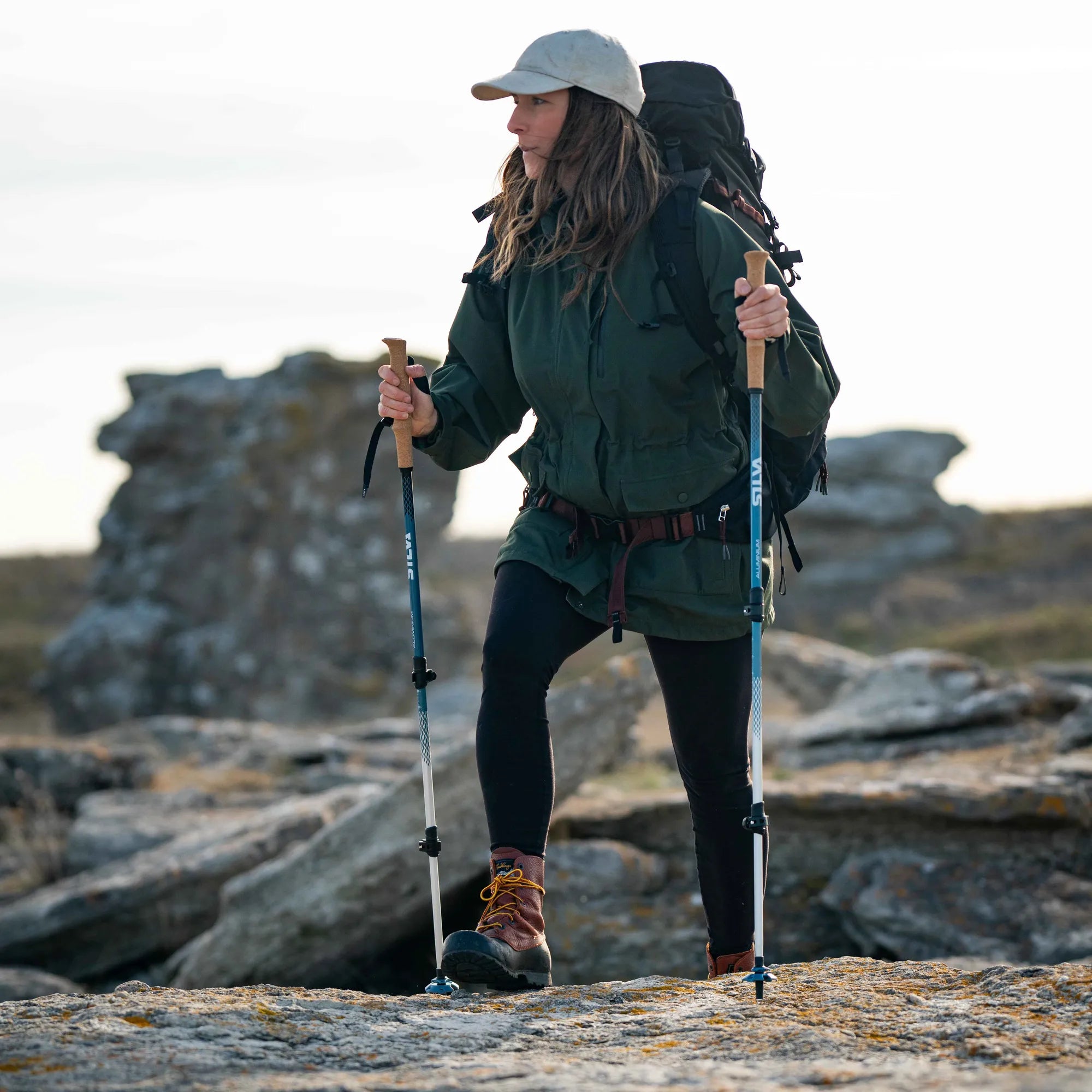
Lightweight and easy to pack, designed to support every step. Choose between aluminium or carbon, cork or foam grips, and find the pair that matches your pace and terrain.
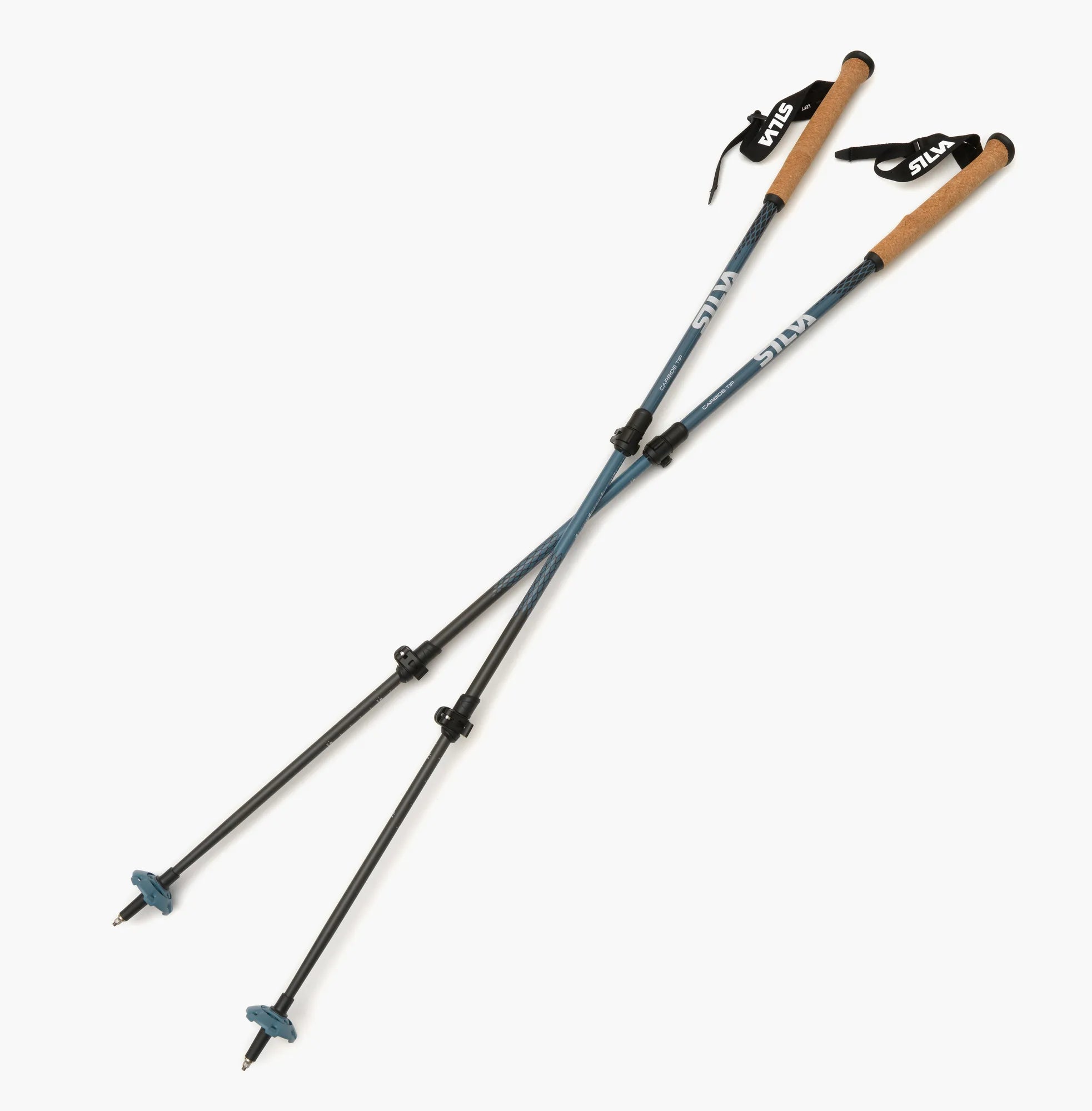
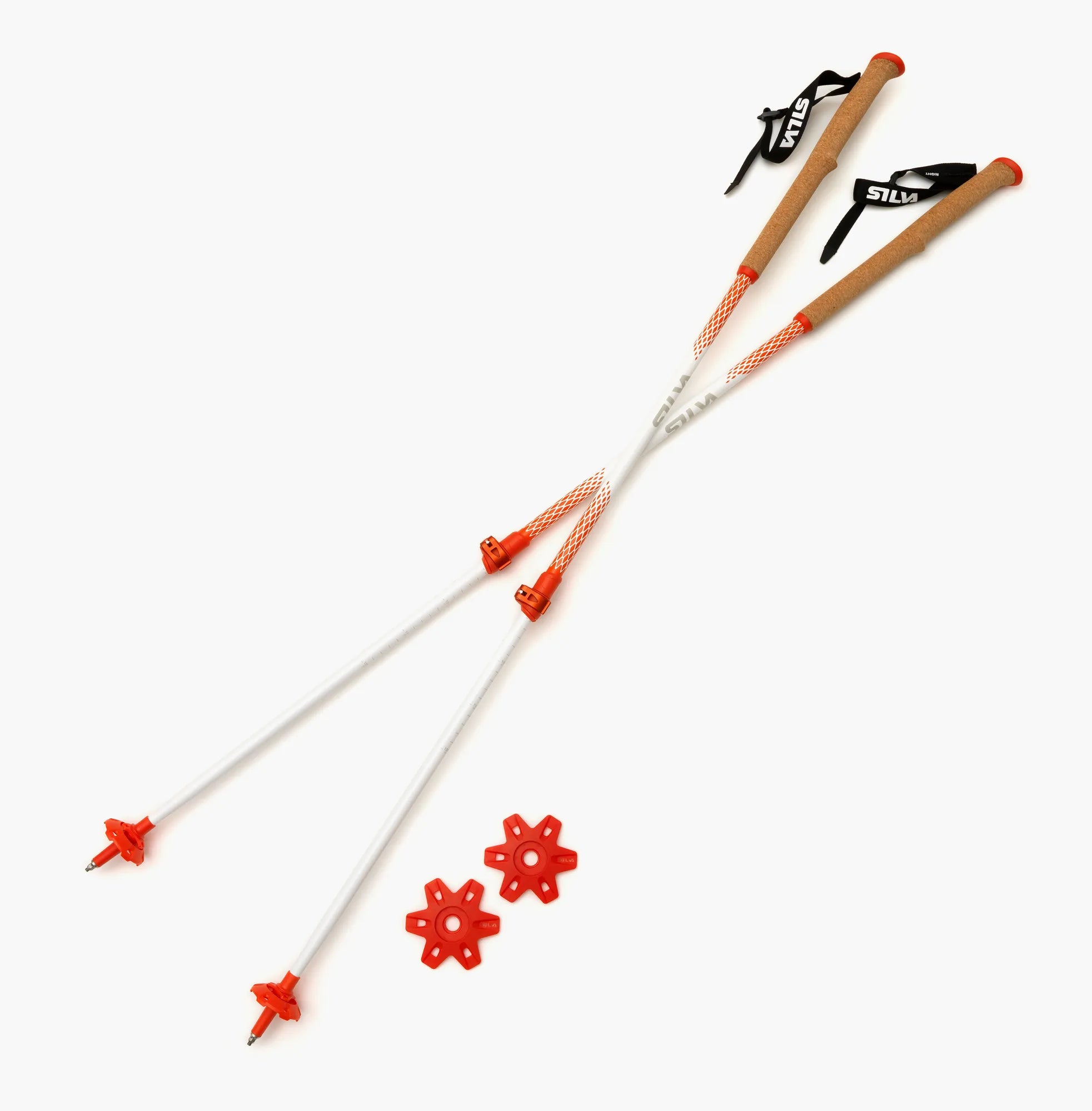
Telescopic aluminium poles for all-season trekking
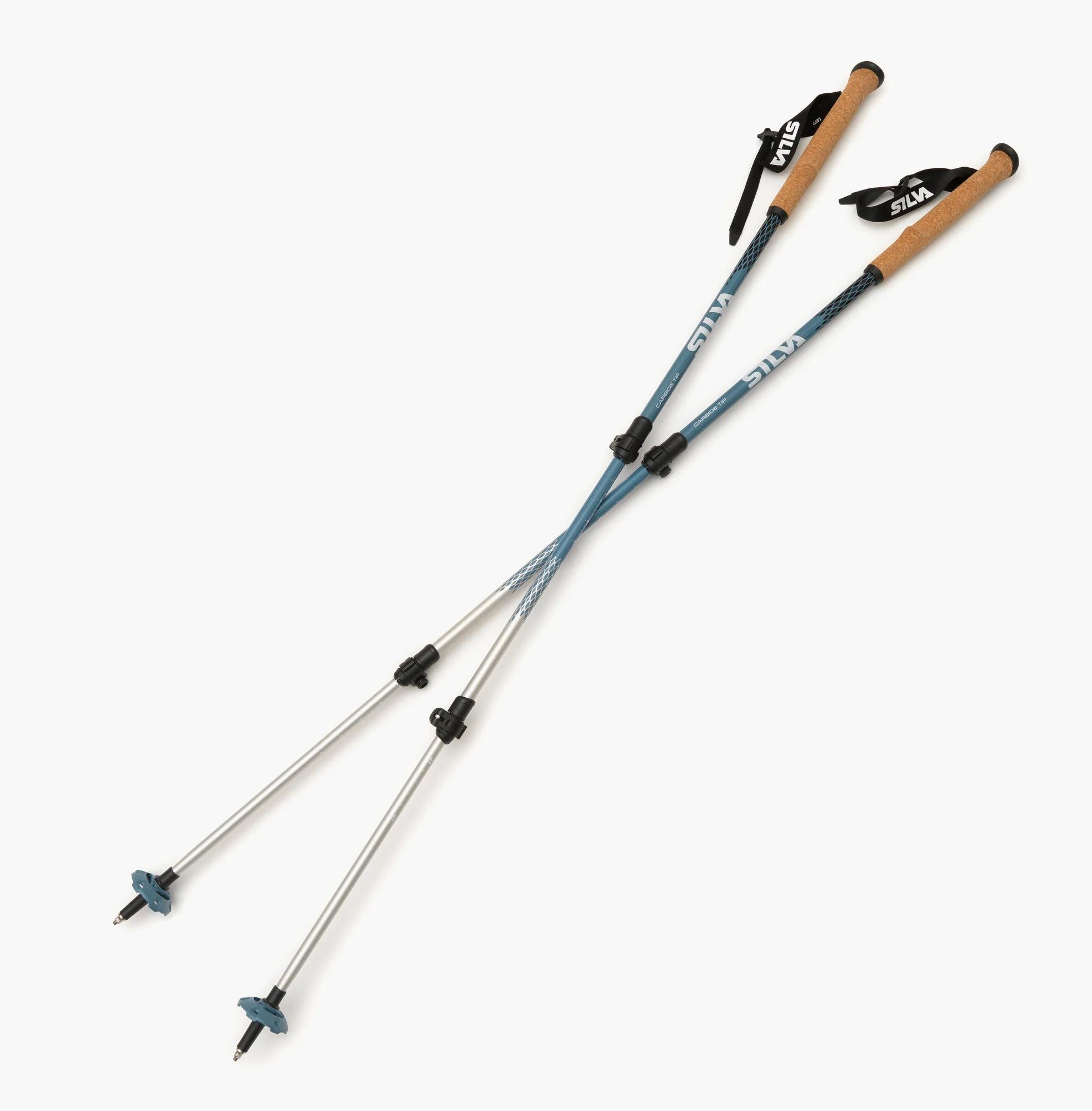
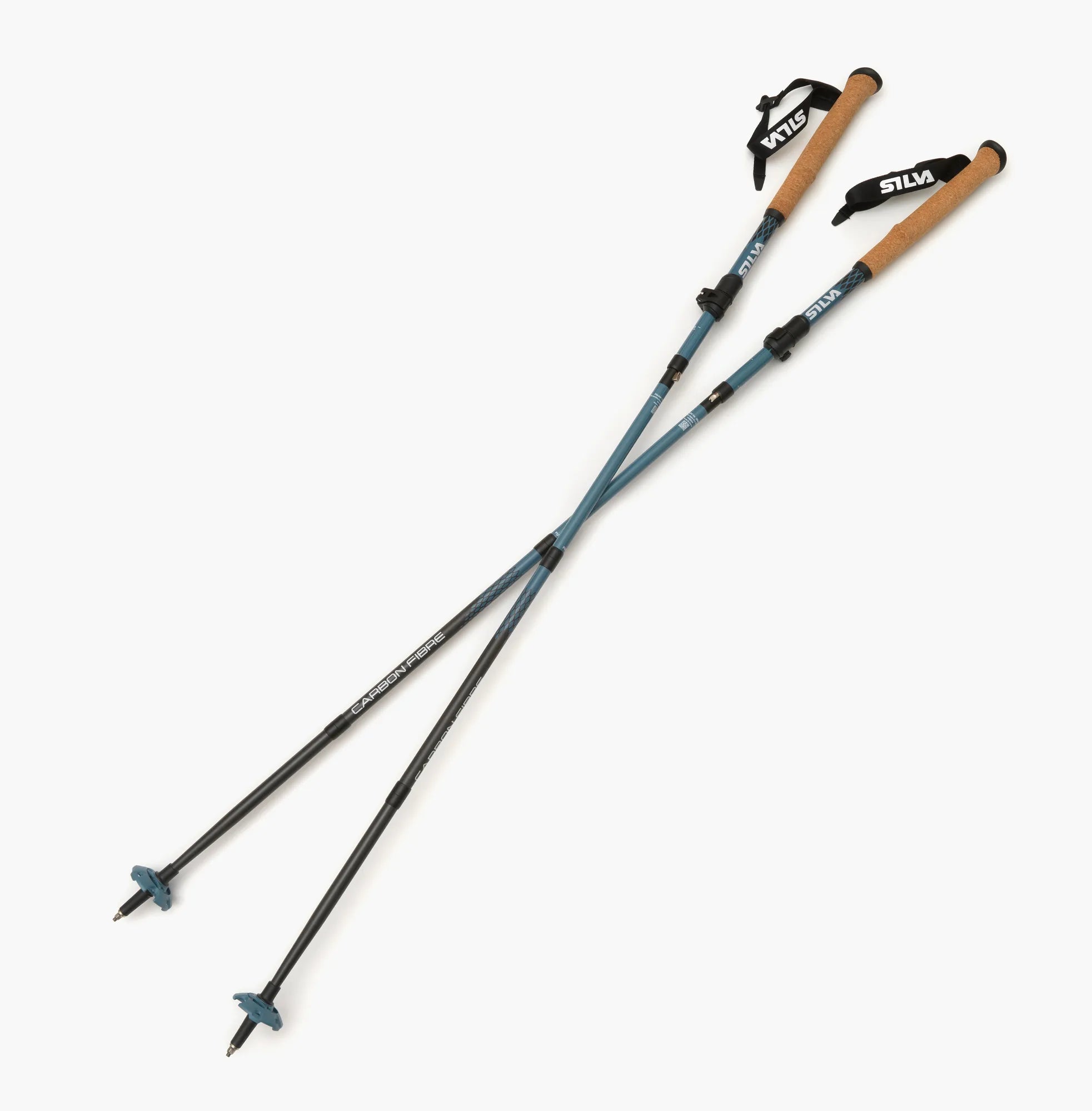
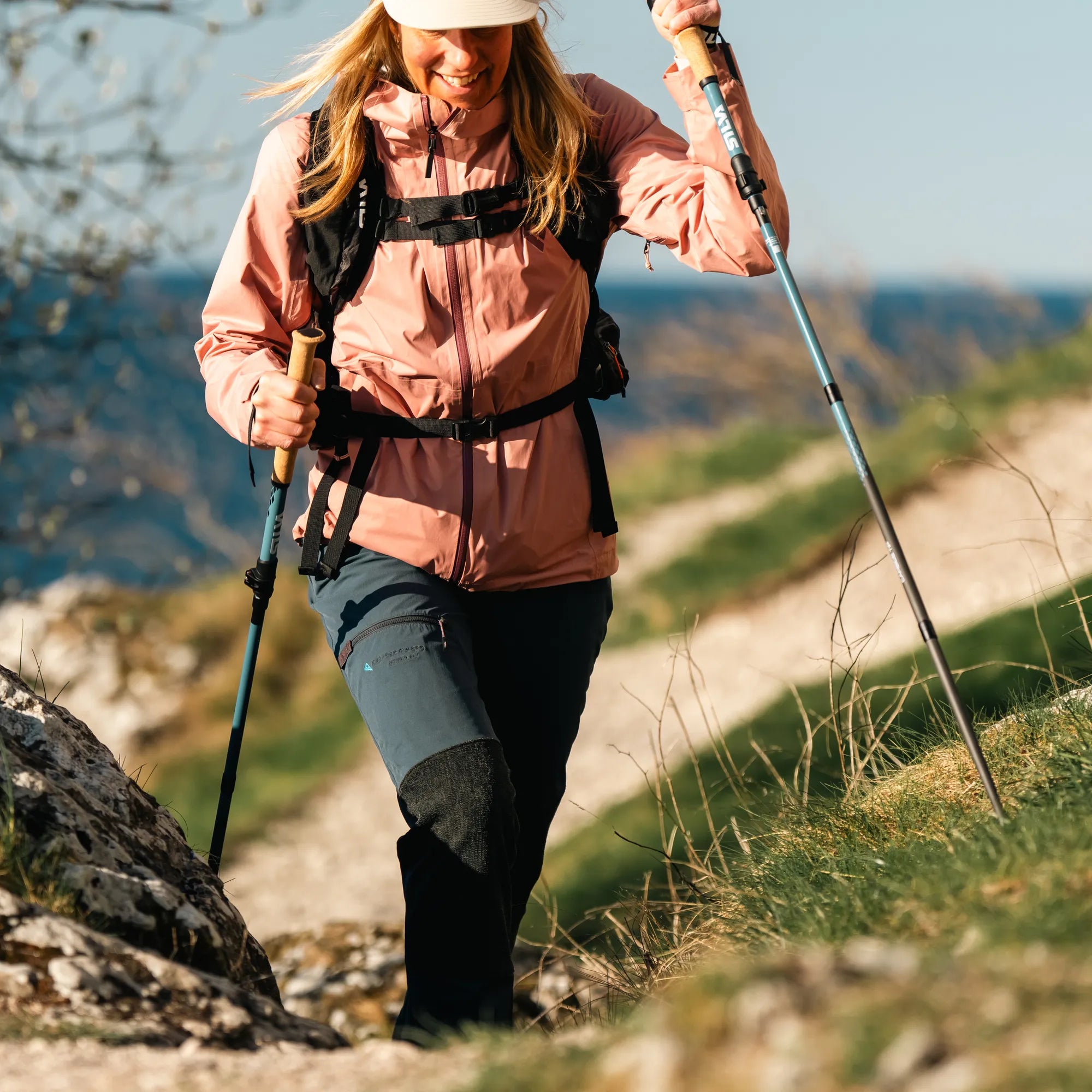
Foldable, adjustable carbon poles for trekking
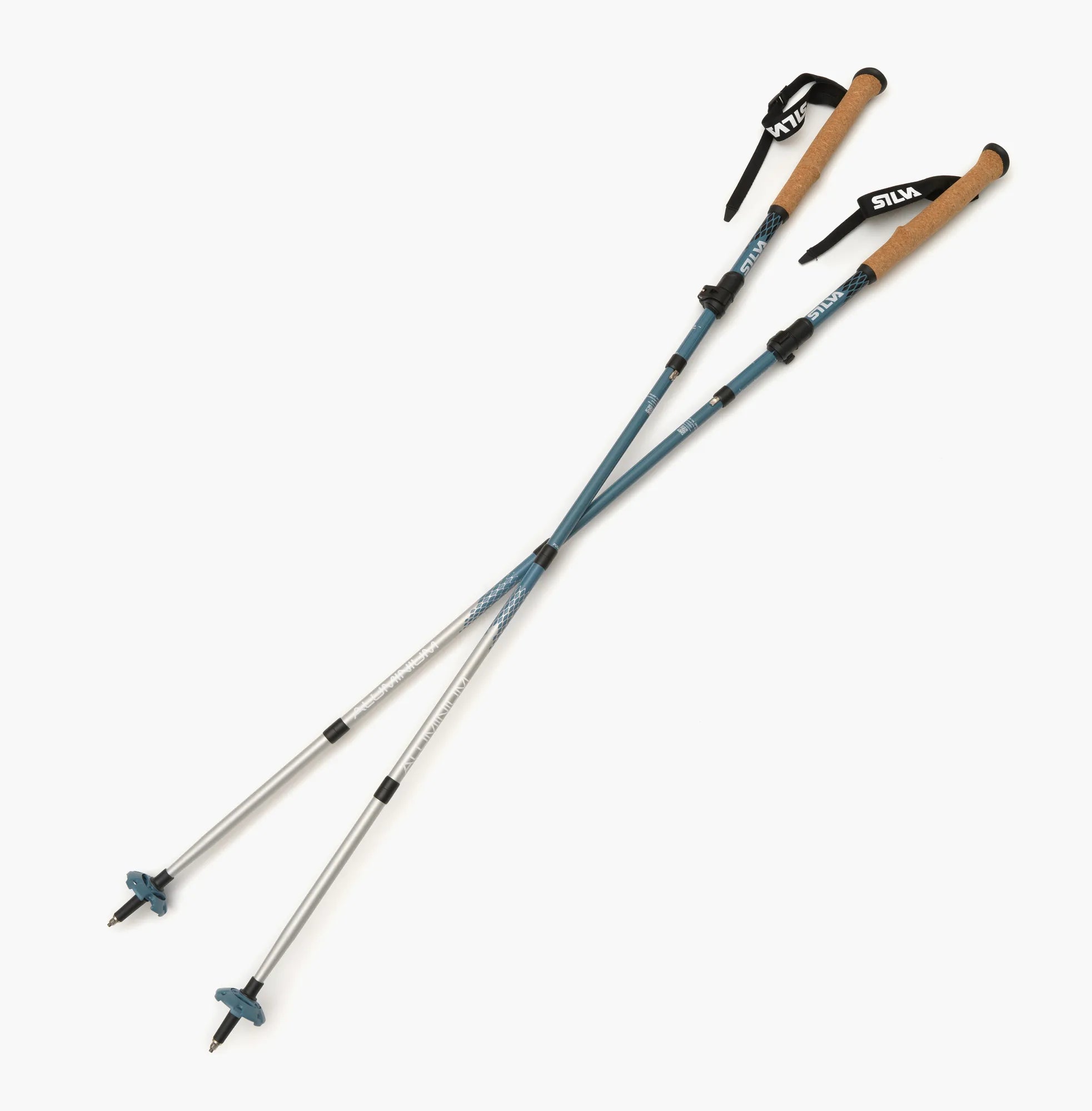
Foldable, adjustable aluminium poles for trekking
Are you in the right place
Please select your store